2026 Best Energy Windows for Maximum Efficiency and Savings?
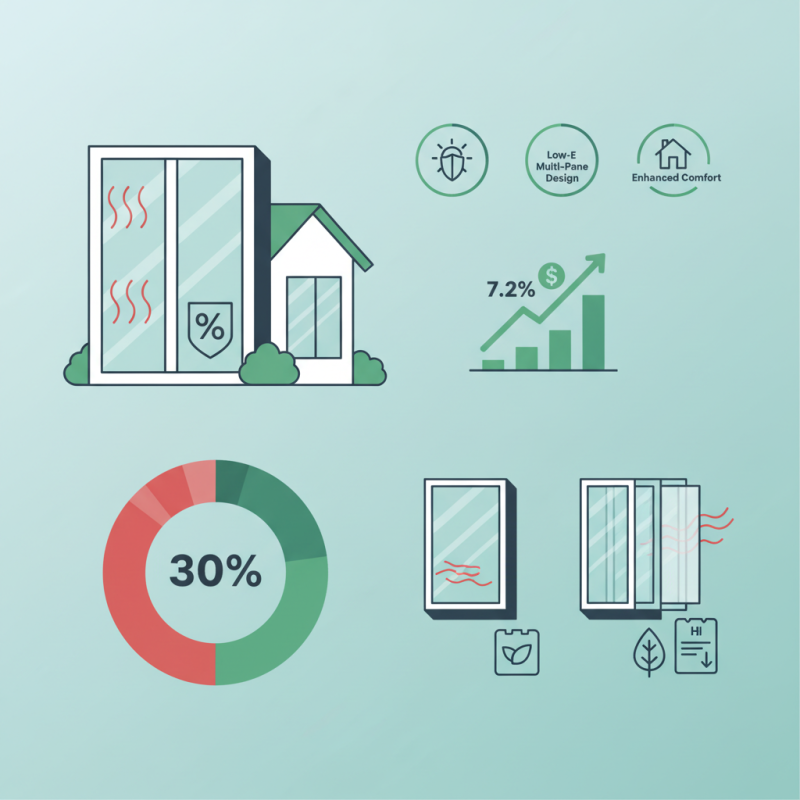
As the demand for energy efficiency rises, homeowners are exploring effective solutions. Energy windows, designed to minimize heat loss, play a crucial role in this transition. According to the U.S. Department of Energy, over 30% of residential heating and cooling energy can escape through windows. This staggering statistic highlights the importance of selecting the right windows for maximum efficiency.
In 2026, the market for energy windows is expected to expand significantly. Industry reports project a growth rate of 7.2% annually in energy-efficient window sales. This trend reflects an increasing public awareness about energy savings and sustainability. Energy windows can drastically lower utility bills and enhance comfort levels in homes.
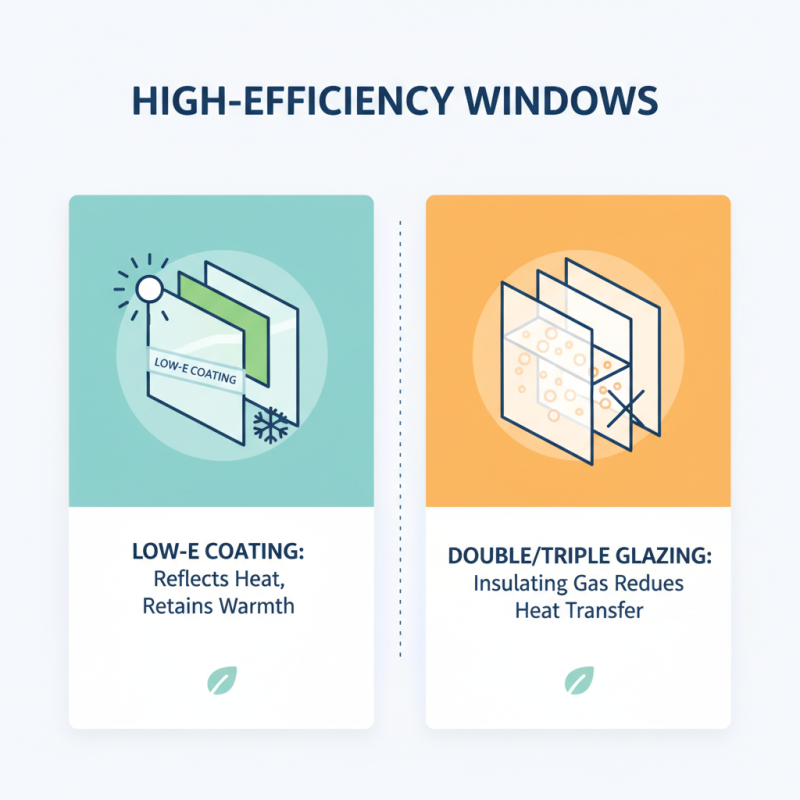
However, not all energy windows are created equal. The quality varies, and many consumers may be overwhelmed by choices. Homeowners should prioritize features like low-E coatings and multi-pane designs. These elements reflect heat and reduce energy consumption. It is essential to conduct thorough research before choosing the best energy windows. Being informed can lead to better decisions and significant savings in the long run.
Understanding Energy Windows and Their Importance in Efficiency
Energy windows play a crucial role in enhancing a home's efficiency. They significantly impact heating and cooling needs. Choosing the right energy windows helps reduce energy costs. Many homeowners overlook this simple upgrade. It’s vital to understand how these windows work. They use advanced glazing technology to minimize heat loss or gain.
Tips for selecting energy windows: Look for the Energy Star label. It indicates better performance. Check the window's U-factor. A lower number means better insulation. Consider window frames made from materials that provide durability and insulation. Vinyl or fiberglass are good choices. However, they can be more expensive.
Remember that installation matters too. A poorly installed window can leak air. This reduces efficiency, negating the benefits of any energy window. Measure openings carefully and hire professionals if needed. Investing time in proper installation pays off in the long run. Reflect on your needs. A small initial cost can lead to significant savings.
2026 Best Energy Windows for Maximum Efficiency and Savings
This bar chart represents the average energy efficiency ratings of various window types commonly available in 2026. Higher ratings indicate better thermal performance and potential savings on energy bills.
Types of Energy Windows: Exploring Materials and Technologies
Energy-efficient windows are an essential part of modern construction. These windows utilize advanced materials and technologies to maximize efficiency. Double or triple glazing is common. This feature uses multiple layers of glass to reduce heat transfer. A report by the Department of Energy reveals that switching to energy-efficient windows can save homeowners 10-25% on energy bills.
Materials play a crucial role. Vinyl and fiberglass frames are popular due to their durability and thermal resistance. They can outperform traditional wood frames. However, some may question the long-term sustainability of these materials. A life cycle analysis shows that while vinyl lasts longer, its production can have environmental impacts that need evaluation.
Low-emissivity (Low-E) glass is another technology worth exploring. It reflects infrared light while allowing visible light to enter. This can reduce heating costs in winter and cooling costs in summer. However, some homeowners may find the initial investment daunting. Research indicates that the payback period can vary, creating anxiety about whether the investment will deliver significant returns. Efficient windows are a path to savings, but everyone must consider their unique situations.
Comparative Analysis: Cost vs. Savings of Energy-Efficient Windows
When considering energy-efficient windows, the cost versus savings debate is crucial.
Initially, these windows may seem more expensive than traditional options. However, their long-term benefits often outweigh the upfront costs.
Homeowners can save significantly on energy bills. This savings can add up to hundreds of dollars each year, depending on climate and usage.
It's essential to evaluate not just initial expenses but long-term financial impact.
For example, some windows may have higher insulation properties. This leads to less reliance on heating and cooling systems.
Short-term savings may not always align with the initial investment; some homeowners experience buyer’s remorse after installation.
A thorough cost-benefit analysis is vital for informed decisions.
Installation costs can also vary by region and contractor.
Some areas offer incentives for energy-efficient upgrades.
These incentives may offset part of the cost, leading to better returns on investment.
Balancing immediate expenses with potential savings requires careful planning.
Homeowners should consider their individual situations when investing in energy-efficient windows.
Top 2026 Energy Windows Brands and Models for Homeowners
When it comes to selecting energy-efficient windows in 2026, homeowners have many options. Choosing the right type can greatly impact energy savings. Consider double or triple-glazed windows. They provide excellent insulation. The frame material is also crucial. Wood, vinyl, and fiberglass each offer unique benefits. Vinyl tends to require less maintenance. Wood, though beautiful, may need extra care over time.
Picking energy windows is not always straightforward. What suits one home may not fit another. Look for models with a high Energy Star rating. This can indicate better performance. It’s essential to check for local climate conditions. Some windows work better in specific environments. Reflecting on your needs is key to making a wise decision.
Taking time to research various brands will pay off. You might discover that a lesser-known option meets your criteria. Not every expensive model guarantees efficiency. Ask for professional opinions and personal experiences. They can provide insights into long-term savings. Each step you take now can lead to increased comfort and reduced bills down the line.